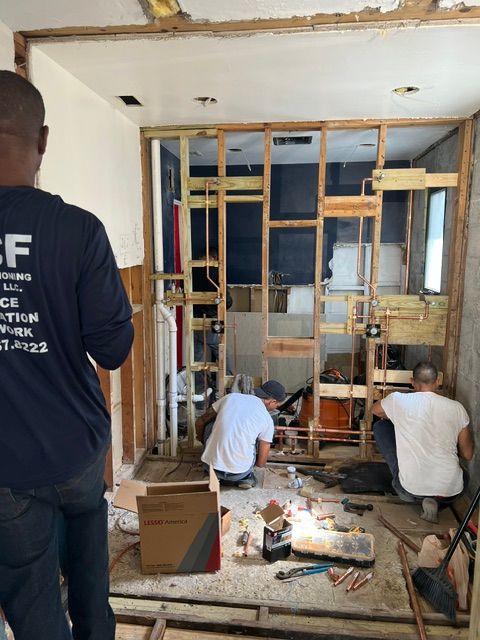
Permits, Codes & Inspections — What Florida Homeowners Need to Know
Building in Florida? Know the Rules First
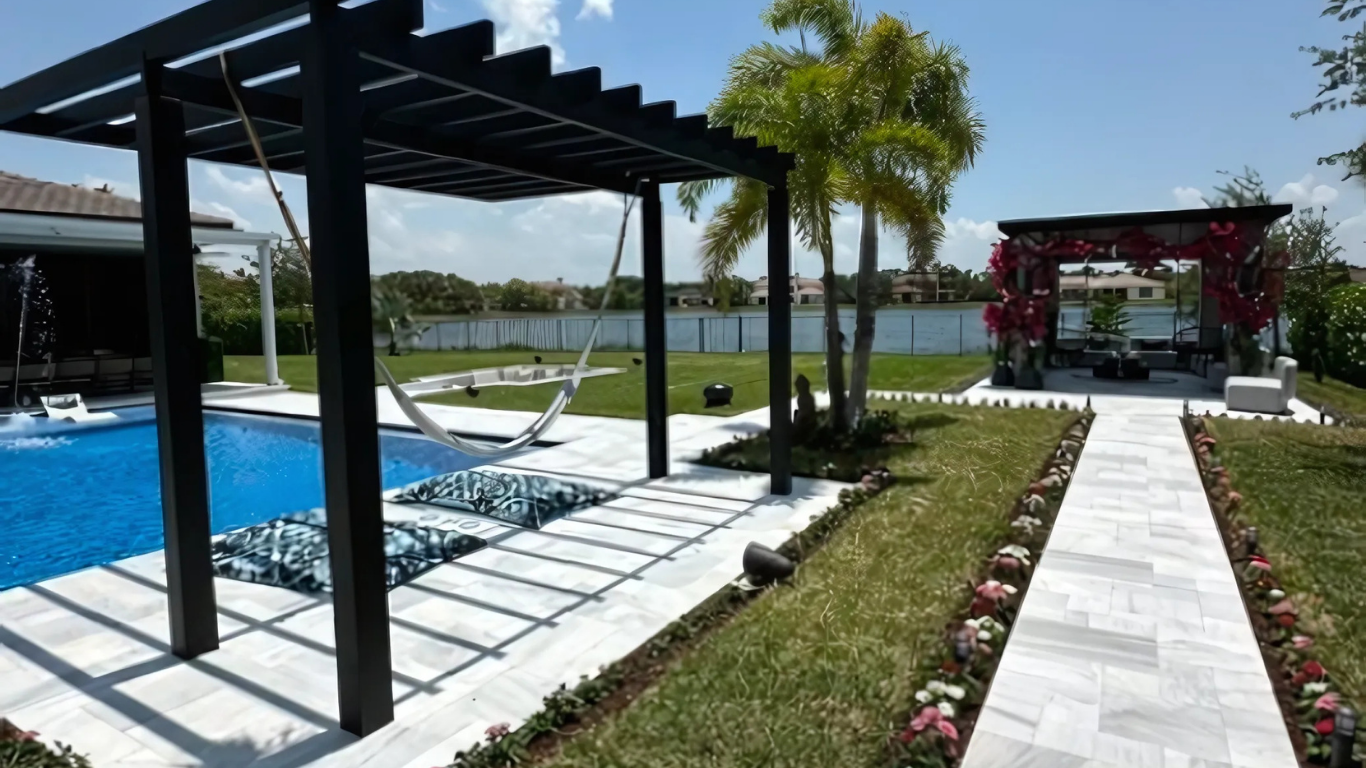
In South Florida, building codes and permit requirements are serious business—and for good reason. Between the relentless humidity, salt-laden coastal air, and annual hurricane threats, the region demands high construction standards to protect property and lives.
If you're planning a remodeling project, adding square footage, or even replacing a door or window, understanding Florida’s permitting process is essential. Skipping steps—or misunderstanding them—can lead to fines, project delays, and even forced demolition of unpermitted work.
At Ediss Construction, we handle the entire permitting process on behalf of our clients, from application to final inspection. But we also believe homeowners should understand the basics. Here’s your comprehensive guide to Florida permits, building codes, and inspections—and why they matter more than ever in our climate.
Why Permits Matter
Building permits aren’t just paperwork—they’re your legal and safety net.
Key Reasons You Need a Permit:
- Ensures your project meets the Florida Building Code (FBC)
- Protects your investment and resale value
- Provides required inspections to verify safe and proper construction
- Avoids costly fines or mandatory demolition of unpermitted work
Common Projects That Require a Permit:
- Room additions and garage conversions
- Roof replacement or structural roof changes
- Replacement of windows and exterior doors
- Kitchen or bathroom remodels
- Wall removals or layout changes
- Electrical upgrades or new plumbing lines
- HVAC system installations
Ediss Tip:
Even smaller projects—like installing a tankless water heater, building a shed, or adding recessed lighting—can require permits depending on your local municipality. Always check with your city before starting.
Understanding the Florida Building Code (FBC)
What Is the FBC?
The Florida Building Code (FBC) is a comprehensive set of construction regulations that applies statewide. It ensures that all structures can withstand the state’s harsh weather conditions, especially in high-velocity wind zones like Miami-Dade and Broward counties.
The FBC covers:
- Structural integrity
- Energy efficiency
- Electrical and plumbing systems
- Mechanical systems (like HVAC)
- Fire safety
- Flood and elevation requirements
The code is updated every three years and enforced locally. Some cities and counties—especially in South Florida—implement even stricter rules.
Notable Florida Code Requirements:
- Impact-resistant windows and doors in windborne debris zones
- Specific roof fasteners, sheathing, and tie-down systems to resist uplift
- Fire-rated materials for attached units and townhomes
- Minimum elevation and floodproofing for properties in flood-prone areas
- Strict energy compliance for insulation, windows, and HVAC systems
Ediss Tip:
Permitting rules vary by city—even within the same county. Hollywood, Fort Lauderdale, and Miami Beach may all enforce slightly different interpretations of the FBC. Always verify your city’s current requirements before designing your project.
The Florida Building Permit Process – Step by Step
Step 1: Submit Plans and Application
Your contractor will prepare and submit a detailed permit application to your local building department.
This typically includes:
- Scope of work summary
- Architectural or engineering drawings
- Property survey or site plan
- Structural calculations (for additions or modifications)
- Energy code compliance forms
Step 2: Plan Review
A plan reviewer (sometimes multiple) checks your application for:
- Compliance with the Florida Building Code
- Zoning regulations (setbacks, lot coverage, use)
- Flood zone and elevation standards
- Structural and mechanical safety
Revisions may be requested before the permit is approved.
Step 3: Permit Issuance
Once approved, a permit is issued and must be visibly posted on-site. Work cannot begin without this step.
Step 4: Inspections
Inspections occur throughout the project:
- Rough inspections for electrical, plumbing, and framing
- In-progress inspections as systems are installed
- Final inspection to ensure everything meets code
Failing to schedule or pass an inspection can delay the project or result in costly corrections.
Timeline and Costs
How Long Does It Take to Get a Permit?
- Simple remodels (like kitchen upgrades): 1–3 weeks
- Room additions or structural changes: 4–6+ weeks
- Delays may occur due to zoning, flood zone review, or document revisions
What Does It Cost?
Permit fees vary by:
- City or county
- Project size and value
- Number of inspections required
Typical ranges:
- Small projects: $200–$500
- Mid-size remodels: $600–$1,200
- Large additions or full home builds: $2,000–$4,000+
Ediss Tip:
Always budget both time and money for permitting. Skipping this step to “save time” often results in months of delays and thousands in fines.
Common Mistakes Florida Homeowners Make
We see it all the time—DIY homeowners or inexperienced contractors rushing in without understanding the rules. Here are the most common missteps:
- Starting construction before obtaining permits
- Hiring unlicensed or uninsured contractors
- Assuming HOA approval means city approval
- Failing final inspection due to code violations
- Ignoring flood zone elevation rules
- Skipping permits for fences, driveways, or sheds
- Adding enclosed spaces (like lanais or garages) without proper structural review
Consequences of Unpermitted Work:
- Fines up to $5,000 per violation
- Stop work orders issued by the city
- Forced demolition or costly retrofits
- Problems during home appraisal or resale
- Voided homeowner’s insurance claims after a storm
How Ediss Construction Handles Permits & Inspections for You
Permitting can be one of the most stressful parts of any project. That’s why we manage the process from start to finish—so you don’t have to.
Our Services Include:
- Preparing and submitting all required permit documentation
- Coordinating with engineers, architects, and surveyors
- Addressing city comments and resubmissions
- Scheduling and attending inspections
- Making sure all work passes final inspection
We’ve worked with every major South Florida jurisdiction, including Hollywood, Miami-Dade County, Fort Lauderdale, Aventura, and beyond. Our experience allows us to navigate city red tape quickly and efficiently.
FAQs: Florida Permits & Building Codes
Do I need a permit to remodel my kitchen in South Florida?
Yes—if your project includes electrical, plumbing, or structural changes. Most kitchen remodels require at least one permit.
Can I pull a permit myself as a homeowner?
Yes, Florida allows homeowner permits—but you assume all legal responsibility. If you're hiring contractors, it's best they handle the permit under their license.
How long is a Florida building permit valid?
Typically 6 months to 1 year from the date of issuance. Most cities allow one extension if work is underway.
What happens if I sell a home with unpermitted work?
It can delay or kill the sale. Buyers may require retroactive permits or negotiate major discounts to cover the risk.
Ready to Build Smart (and Legal)?
Whether you're planning a kitchen remodel, room addition, or full-home renovation, don’t let the permitting process slow you down or get you in trouble. Trust Ediss Construction to handle everything—legally, professionally, and with your peace of mind in mind.